
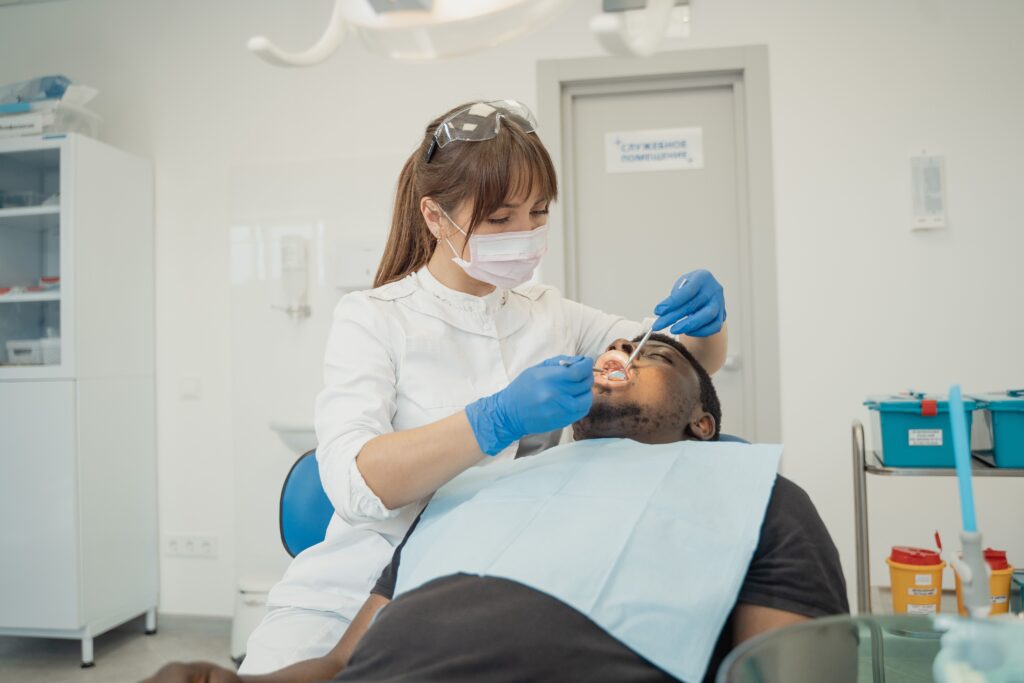
A dental emergency can happen without warning. You may wake with intense tooth pain, break a tooth while eating, or experience an injury. Knowing what to do can help you stay calm and avoid making the problem worse.
Some concerns can wait for a regular appointment. Others need prompt attention. Because the seriousness of a problem is not always visible, calling a dentist and describing your symptoms is often safest.
When you need an emergency dentist in Atlanta, our same-day emergency dental care focuses on identifying the problem, explaining your options, and helping you receive appropriate treatment.
What Is Considered a Dental Emergency?
A dental emergency is an injury, infection, or oral health problem requiring prompt attention. Severe pain, facial swelling, uncontrolled bleeding, a knocked-out permanent tooth, or jaw trauma should not be ignored.
Pain does not always show how serious a condition is. Contact a dentist when pain persists, swelling develops, a tooth breaks or becomes loose, dental work falls out, or an injury changes your bite.
Common Dental Emergencies and What to Do
These nine situations are common reasons to seek urgent guidance.
1. Severe or Persistent Tooth Pain
A toothache that continues, interrupts sleep, hurts when you bite, or becomes worse should be evaluated. Rinse gently with warm water and floss carefully in case food is trapped. Do not place aspirin directly against the tooth or gums.
2. Swelling or a Possible Dental Abscess
Swelling around a tooth, the gums, or the face can indicate infection. Fever, tenderness, pain while chewing, or an unpleasant taste may also occur. Do not attempt to drain the area. Difficulty breathing or swallowing requires immediate medical assistance.
3. A Knocked-Out Permanent Tooth
Handle the tooth by its crown, not the root. Rinse it gently without scrubbing. When possible, place it carefully back into its socket without forcing it. Otherwise, keep it moist in milk or a tooth-preservation solution and contact a dentist immediately.
4. A Cracked, Broken, or Chipped Tooth
Rinse with warm water, use a cold compress outside the face if swelling is present, and save any fragments. A deeper crack can affect the inside of the tooth. Depending on the damage, a custom dental crown may help protect the remaining structure.
5. A Loose or Displaced Permanent Tooth
A tooth may stay in the mouth after an injury but shift out of position. It may look longer, feel loose, or interfere with your bite. Avoid moving it, do not chew on that side, and contact a dentist promptly.
6. A Lost Filling or Crown
A lost restoration can leave a tooth sensitive and vulnerable. Keep the area clean, avoid chewing on that side, and do not use household glue. Save the crown if possible. Some damaged areas may be repaired with tooth-colored fillings, while others need greater protection.
7. Uncontrolled Bleeding From the Mouth
Minor bleeding may stop with gentle pressure from clean gauze. Bleeding that remains heavy or continues despite pressure requires urgent attention, especially after a significant injury.
8. An Injury to the Lips, Gums, Tongue, or Cheeks
Rinse gently, apply clean gauze with light pressure, and use a cold compress outside the mouth. Seek care if the injury is deep, contains debris, causes significant discomfort, or continues bleeding.
9. Trauma Involving the Jaw or Face
Seek urgent medical attention if you suspect a broken jaw, cannot open or close your mouth normally, notice a major bite change, or experience significant facial trauma. Do not attempt to reposition the jaw.
Where to Go for a Dental Emergency
For most tooth-specific concerns, contact a dentist first. This includes severe tooth pain, localized swelling, broken teeth, loose dental work, and injuries involving the teeth. A dentist has the diagnostic tools needed to identify the source of the problem.
Go to the nearest emergency room or call 911 when the situation may be life-threatening. Warning signs include difficulty breathing or swallowing, swelling affecting the airway, uncontrolled bleeding, major facial trauma, a suspected broken jaw, or loss of consciousness.
A hospital can address immediate medical risks, but follow-up dental care may still be needed.
How to Find a Dentist for an Emergency in Atlanta
Choose a provider who clearly evaluates urgent dental concerns. Calling directly is usually more helpful than relying only on an online form because the dental team may need to ask questions before determining the next step.
Be ready to explain where the problem is located, when it began, whether symptoms are worsening, and whether swelling, bleeding, fever, or trauma is involved. Mention whether a tooth was broken, loosened, or knocked out and whether you still have a lost crown or tooth fragment.
New patients can review our new patient information before arriving.
Emergency Dental Treatment: What to Expect
Emergency dental treatment begins with understanding what happened and identifying the source of the problem. The goals are to evaluate the condition, address urgent concerns, and create a clear treatment plan.
Discussing Your Symptoms
The dental team will ask when the problem started, how it has changed, and whether an injury was involved. Describe whether pain is constant, throbbing, sharp, or triggered by biting or temperature. Mention swelling, bleeding, fever, an unpleasant taste, or difficulty opening your mouth.
Completing an Examination and Imaging
The dentist will examine the affected tooth, nearby tissues, your bite, existing dental work, and neighboring teeth.
Digital X-rays or other tools may evaluate roots, bone, decay, infection, or injury. Amber Arch Dental uses digital X-rays and intraoral imaging to gather detailed information.
Stabilizing the Immediate Problem
The first stage of care may focus on protecting exposed tooth structure, controlling bleeding, stabilizing an injured tooth, or addressing the source of discomfort.
Some patients may receive definitive treatment during the emergency visit. Others may need a temporary solution before complete treatment.
Reviewing Personalized Treatment Options
Treatment may include repairing a filling, replacing a crown, restoring a cracked tooth, stabilizing a loose tooth, addressing infection, or planning additional care.
When a tooth cannot be predictably restored, tooth extraction may be discussed after the condition and alternatives have been reviewed. Recommendations depend on the tooth involved, the extent of damage, your oral health, and your personalized treatment plan.
Dr. Donovan Phillips will explain the findings and available options so you understand what is being recommended and why.
Planning Follow-Up Care
Additional care may be needed to monitor healing, complete a restoration, or reassess the area after swelling decreases.
What to Do While Waiting to See an Emergency Dentist
After calling the dental office, follow the instructions provided. General steps that may help include:
- Rinse gently with warm water
- Use clean gauze for minor bleeding
- Apply a cold compress outside the face
- Avoid chewing with the affected tooth
- Keep a knocked-out permanent tooth moist
- Save broken fragments or a lost crown
- Do not place aspirin against the gums
- Do not use household glue
- Do not attempt to drain swelling
These temporary measures do not replace a professional examination.
Can Dental Emergencies Be Prevented?
Not every emergency can be prevented, but routine care can reduce some risks. Regular dental exams and cleanings allow cavities, worn dental work, and enamel damage to be evaluated early.
Avoid chewing ice, opening packages with your teeth, or biting hard objects. Athletes and patients who grind or clench may also benefit from a custom mouth guard based on their needs.
Dental pain, swelling, broken teeth, lost restorations, and oral injuries can be difficult to assess without professional guidance. When symptoms are severe, persistent, or worsening, contact a dentist promptly. For difficulty breathing, airway-threatening swelling, uncontrolled bleeding, or major facial trauma, call 911 or seek emergency medical care.
Dr. Donovan Phillips and the Amber Arch Dental team provide calm, detail-oriented emergency care in Atlanta, GA, with recommendations based on your individual needs.
For guidance or to request an emergency appointment, Contact Amber Arch Dental.
Frequently Asked Questions About Dental Emergencies
Can a hospital emergency room treat a dental emergency?
A hospital can address life-threatening symptoms, uncontrolled bleeding, severe facial trauma, or swelling that affects breathing. Most tooth-specific problems still require follow-up care from a dentist.
How quickly should I see a dentist for a knocked-out tooth?
Contact a dentist immediately. Handle the tooth by its crown, avoid touching the root, and keep it moist while seeking care.
Is a lost filling or crown always an emergency?
Not always, but contact a dentist promptly. Urgency depends on pain, sensitivity, remaining tooth structure, and the risk of further damage.
Does Amber Arch Dental offer same-day emergency appointments?
Amber Arch Dental offers same-day emergency appointments for urgent concerns. Call as soon as possible so the team can discuss your symptoms and current availability.